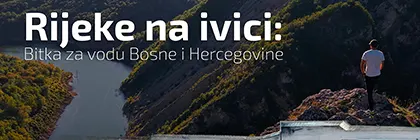


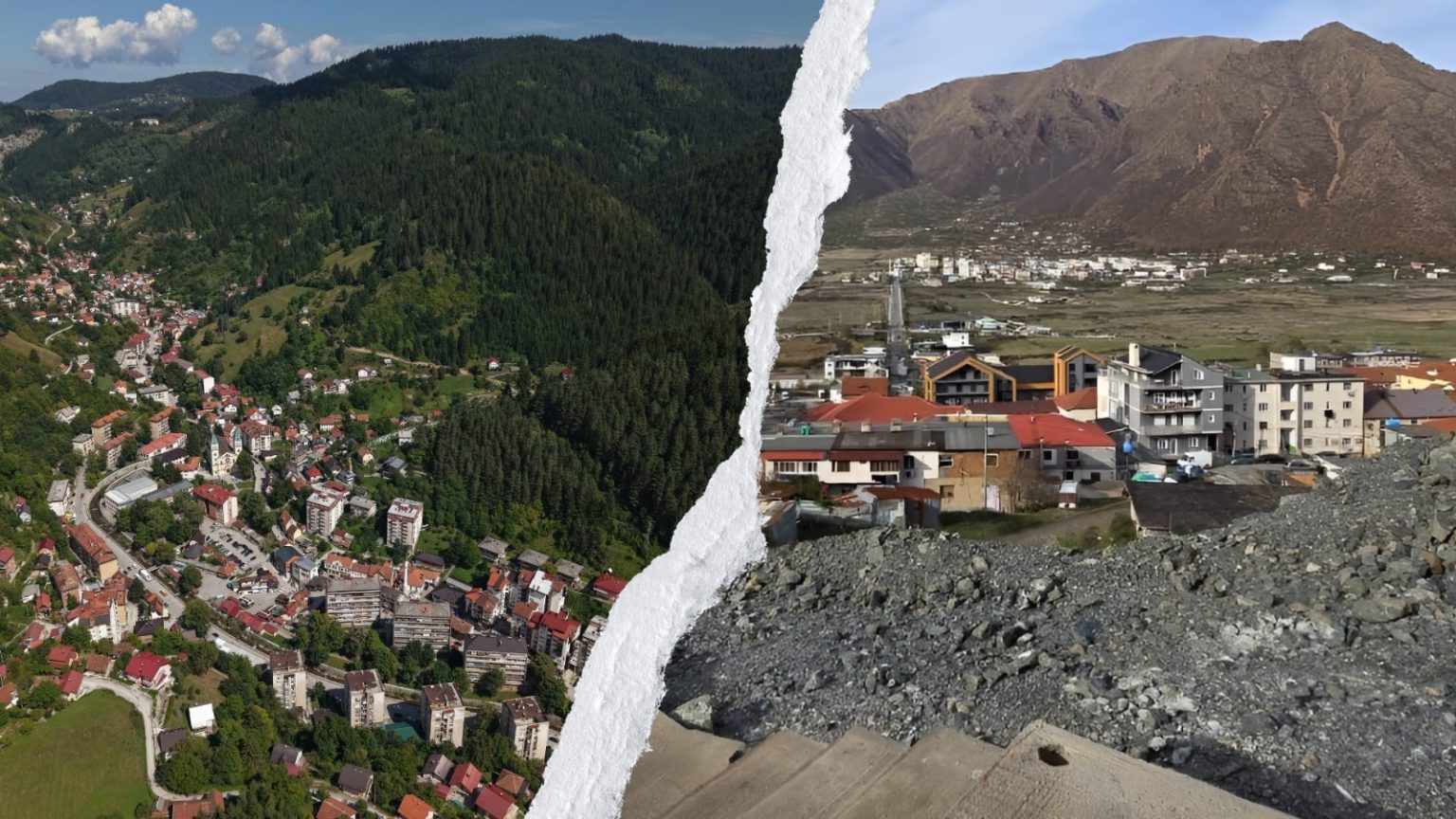
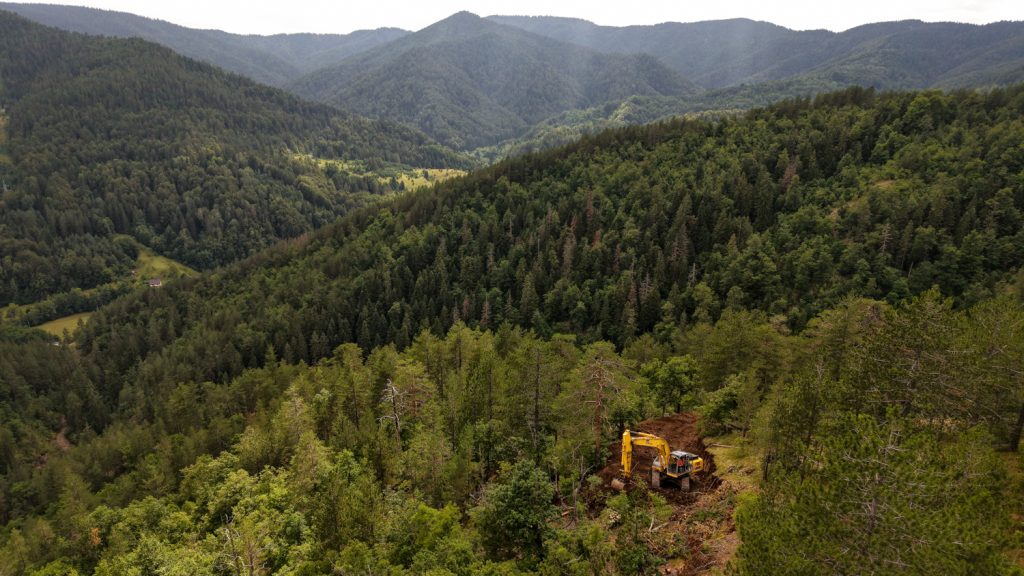
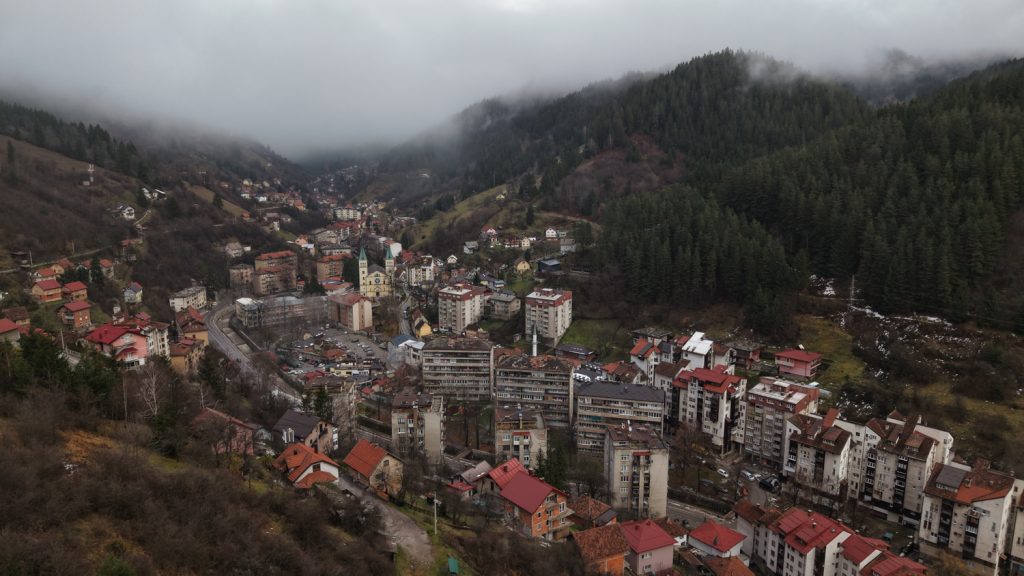
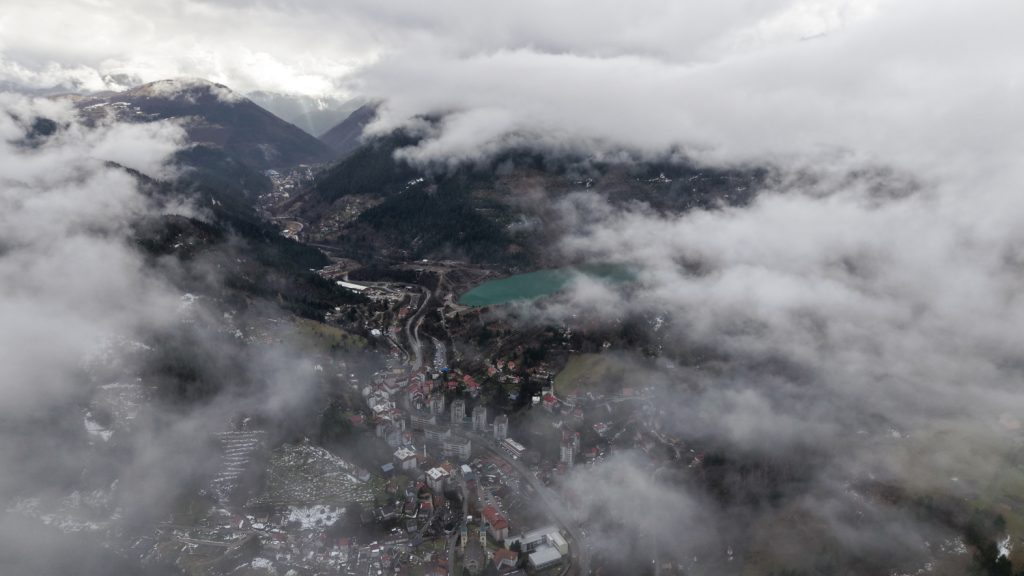
In the areas of the villages Duboštica and Tribija, in the forested hills above this Bosnian town, chromium extraction is planned, a metal the European Union considers strategically important for the green transition. For parts of the local community, however, the project carries the risk of permanent impacts on water resources, forest ecosystems, and public health.
- From Iron to Chromium: A Shift in the Mining Model in Vareš
- What Does Chromium Mining Actually Mean?
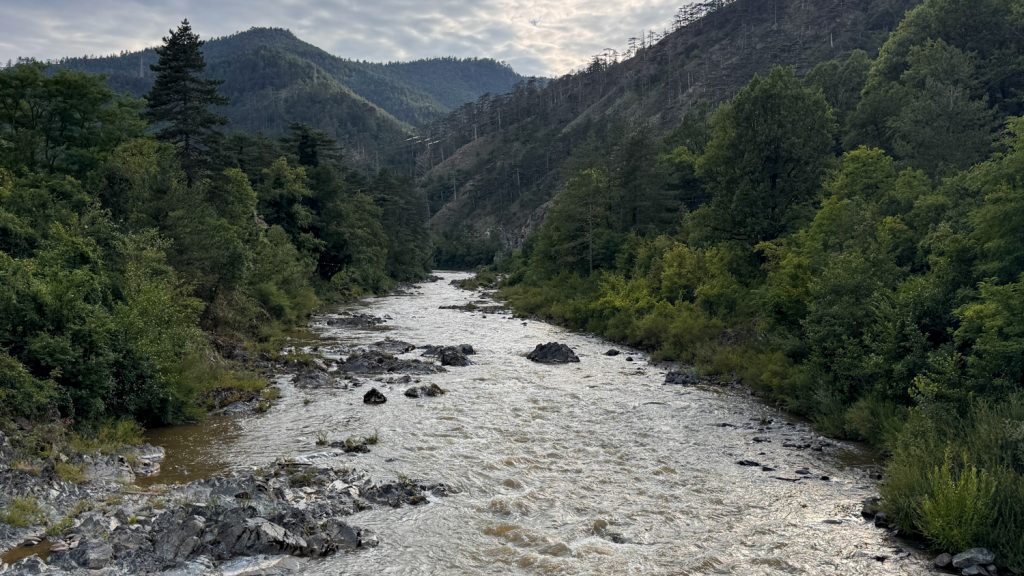
- The Krivaja River as a Sensitive Ecosystem
- A Critical Mineral in a Critical Landscape
- A Concession Without Access, Questions Without Answers
- A Legal Vacuum as a Pattern
- Expert Assessments and the Limits of “Green Mining”
- Local Perspective: Experience and Distrust
- Chromium and the Military Industry: An Open Question
- Institutional Response: An Initiative in the Zenica-Doboj Cantonal Assembly
- What Albania Tells Us: Bulqiza as a Mirror of the Future
- Bulqiza: A City and a Mine as One System
- 127 Licenses on a One Single Massif
- Institutional Blind Spots: Oversight Without Real Control
- No Eyes on the Ground: Gaps in Environmental Monitoring
- Local Authorities: A Limited Role
- A Decade of Accidents and Weak Protection of Workers’ Rights
- Limited Public Health Oversight
- Oversight Absent Where It Is Most Needed
- Tailings as a Permanent Risk
- Why People Remain Silent
- Miners Without Legal Status
- Large Revenues, But for Whom?
- A Double Paradox: Green Transition and Environmental Pressure in the Western Balkans
- Before the Consequences Become Irreversible…
While authorities and the investor speak of jobs and development, 49 organizations and local communities from the Krivaja River basin have recently called for the immediate termination of the concession, warning that the consequences could extend to surrounding areas. Experts say the affected zone could span a radius of up to 120 kilometers, encompassing all major cities in Bosnia and Herzegovina.
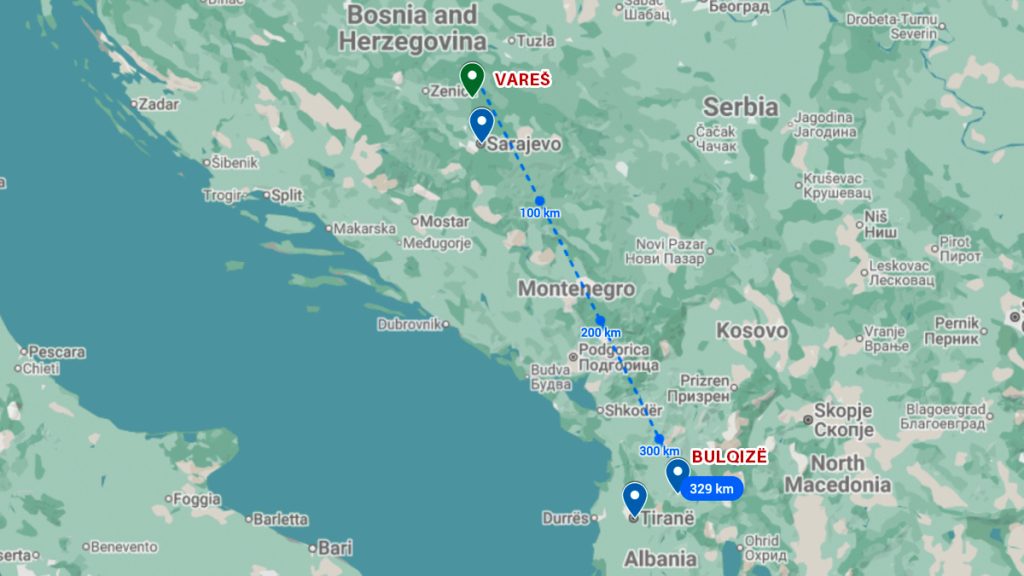
In these warnings, Bulqiza is often mentioned, a mining town in eastern Albania located at nearly the same distance from the capital Tirana as Vareš is from Bosnia’s capital Sarajevo, approximately 40 kilometres in a straight line.
Although chromium has been mined in Bulqiza for more than seven decades, this case does not serve as a direct analogy or a prediction of outcomes in Vareš. Instead, Bulqiza is used here as a documented case from practice, an illustration of the risks that emerge when natural resource extraction advances faster than institutional oversight and mechanisms of public accountability.
It is important to emphasize that Vareš today is not Bulqiza. These are different countries, with different legal frameworks and different stages of mining development. Precisely for that reason, the comparison is meaningful, not because of the towns themselves, but because of the institutional mechanisms involved. The focus of this investigation is on the transparency of concessions, the existence of environmental and health monitoring , particularly regarding hexavalent chromium Cr(VI), the management of tailings and mine water, and the balance between local benefits and local burdens.
On paper, the project appears straightforward: a strategic mineral needed by Europe and an investor promising new jobs.
The key question, experts warn, is whether institutions have the capacity to make such projects lawful, safe, and publicly accountable.
From Iron to Chromium: A Shift in the Mining Model in Vareš
In the mountainous Duboštica–Tribija area, above the Krivaja River basin, the company “Vareški minerali” d.o.o. Vareš, until recently registered as “Seven Plus” d.o.o. Sarajevo, was granted a concession for geological exploration and future chromium ore extraction. In the meantime, the project has become one of the most controversial issues in the Zenica-Doboj Canton: from initial secret negotiations and quiet forest clearing, through repeated inspection bans, to an open call for the concession to be urgently terminated.
For decades, Vareš was closely tied to mining. The town developed alongside the mine and ironworks, with infrastructure and public spaces built from revenues generated by the sector. This connection remains symbolically present today, from the urban heritage to the stained-glass window of Saint Barbara, the patron saint of miners, in the local church.
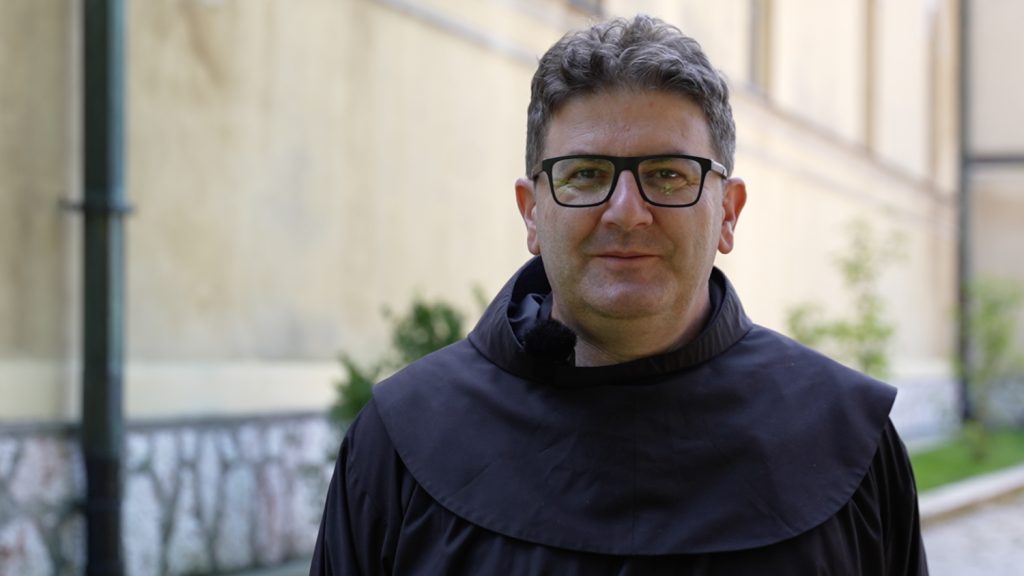
Priest Leon Pendić, who has served for many years at that very church in Vareš, believes that contemporary models of resource extraction no longer provide a sense of long-term security for the local community.
“It is deeply sad to see companies that come to our area focus solely on extracting as many resources as possible and taking them out of the community. How is it possible that our nature, land, forests, and ore are taken away, while no lasting benefit remains in return?” Pendić says in an interview with a journalist from the Gerila portal.
Today, some residents of Vareš now perceive mining as a process carried out without any meaningful involvement of the local community. This sense has been further reinforced by the experience with the existing Rupice mine, located on the outskirts of the town, which, after a series of ownership changes, was sold in June this year to the Canadian company Dundee Precious Metals for a staggering USD 1.25 billion, without any direct financial benefit for the Municipality of Vareš.
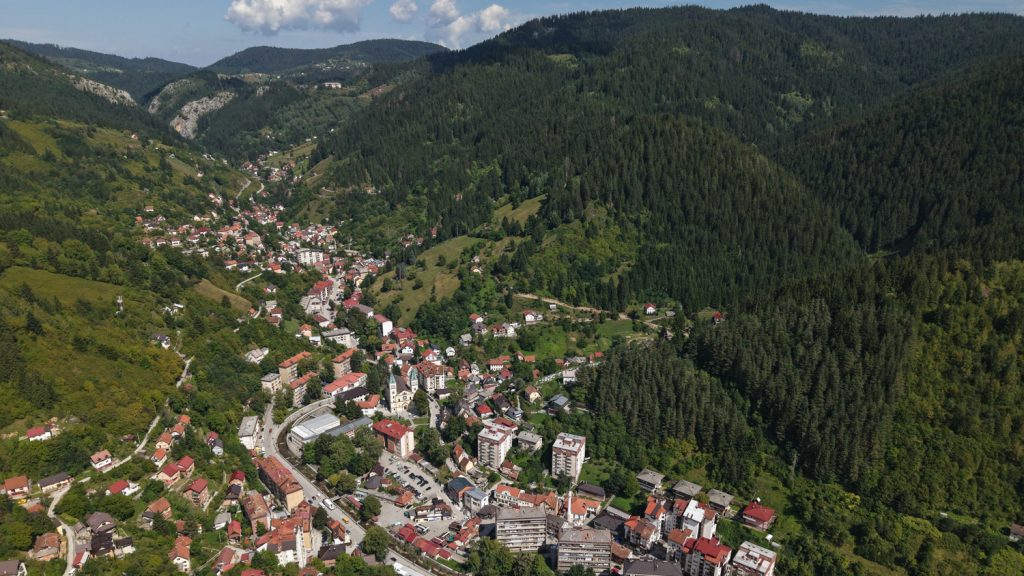
It was the current owner of “Vareški minerali”, Miloš Bošnjaković, who initiated the mining project in Rupice, which he later resold. Residents of the Vareš villages of Pržići and Daštansko suspect that they have been poisoned by lead due to the proximity of the mine’s tailings dump to their homes, a concern supported by analyses conducted in early December this year, which revealed the presence of lead in the blood of all 44 tested residents.
As a result, segments of the expert and environmental community warn that a similar pattern could be repeated in the Duboštica–Tribija area, with an additional risk: chromium ore, whose potential environmental and health impacts may be more severe than those associated with previous projects.
That is why, in conversations with local residents, the term “invasive mining” is being heard more and more often, used to describe a model in which economic benefits are achieved in the short term, while the long-term consequences are shifted onto the local area and its population.
What Does Chromium Mining Actually Mean?
In statements given exclusively for this investigative article, internationally recognised experts in toxicology, environmental chemistry, forestry, and hydrology warn that chromium mining in the Duboštica-Tribija area carries significant long-term environmental and public-health risks.
Professor Emeritus of Toxicology Dr. Jasenko Karamehić, a full professor at several international universities, warns that hexavalent chromium Cr(VI) is the most dangerous form of this metal and a proven carcinogen.
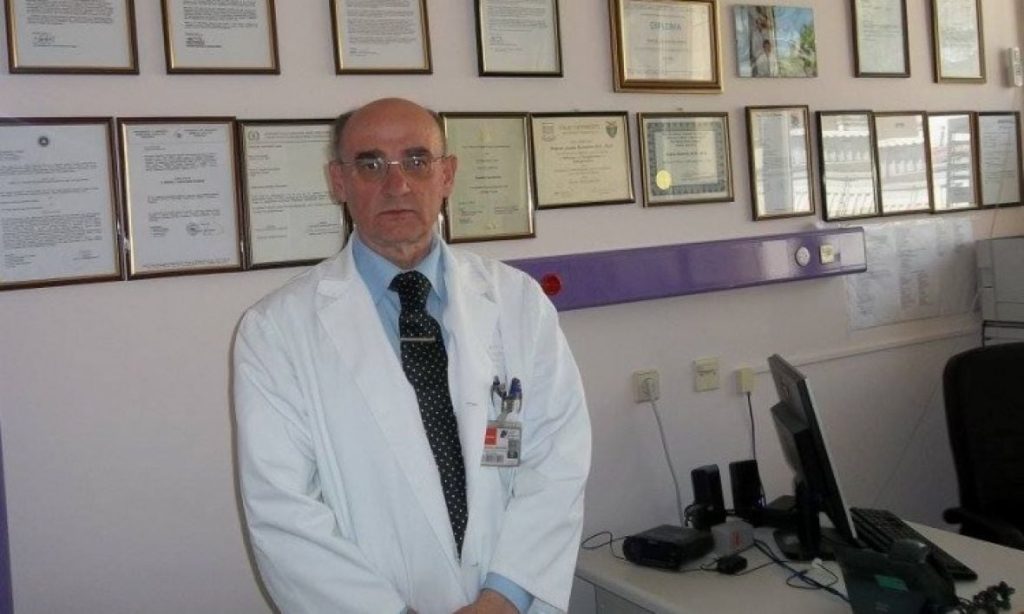
“The most common forms of chromium are metallic, trivalent and hexavalent chromium, with hexavalent chromium being highly toxic and classified as a carcinogenic substance. Hexavalent chromium causes damage to genetic material, and there is no safe threshold of exposure,” Karamehić states.
He cautions that mining activities can lead to the transformation of trivalent chromium into its more toxic hexavalent form, even when Cr(VI) is not initially present in the ore.
“Exposure does not occur only in the workplace, but also through dust, water, and food,” Karamehić emphasizes, noting that the risk does not necessarily remain confined to the mining site.
A similar assessment is offered by Dr. Ulla B. Vogel, a toxicologist and professor at the National Research Centre for the Working Environment (NFA) in Copenhagen.
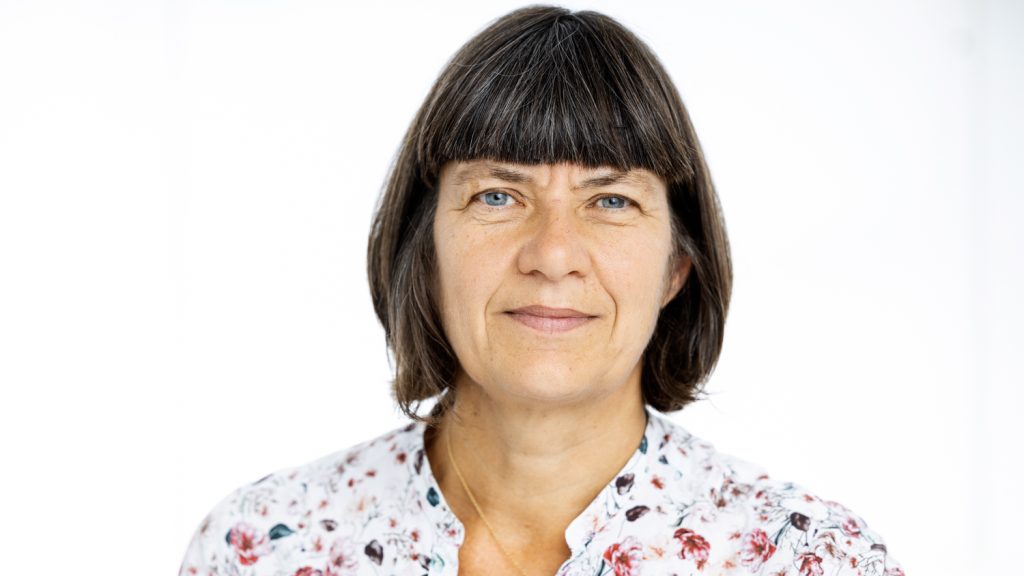
Vogel explains that hexavalent chromium is considered particularly toxic and hazardous in biomonitoring precisely because of its carcinogenicity.
She stresses that Cr(VI) is a proven human carcinogen, strictly regulated within the European Union, and classified as a non-threshold carcinogen.
“This means that there is no safe level of exposure; instead, limit values are based on an acceptable level of risk,” she explains.
She also warns that the danger is not limited to occupational settings.
“If hexavalent chromium is released into the air or water, it can pose a threat to the general population living near industrial facilities or mining sites,” Vogel says, recalling the well-known case of groundwater contamination in Hinkley, California, which became widely known through the film Erin Brockovich.
According to Vogel, the causal link between inhalation of hexavalent chromium and the risk of lung cancer is well documented, allowing for risk assessments at different exposure levels. She therefore concludes that chemical risk assessment is essential, and that any indication of potential Cr(VI) release into the environment must trigger a more detailed exposure assessment and consideration of preventive measures.
Dr. Dragana Đorđević, lead researcher and head of the Centre of Excellence for Environmental Chemistry and Engineering at the University of Belgrade, warns that hexavalent chromium can spread through water, air, and soil, including through secondary chemical reactions originating from naturally occurring trivalent chromium.
“Rainfall washes tailings, contamination enters surface and groundwater, and then moves into the food chain,” Đorđević explains, warning that the long-term consequences of such exposure are often irreversible.
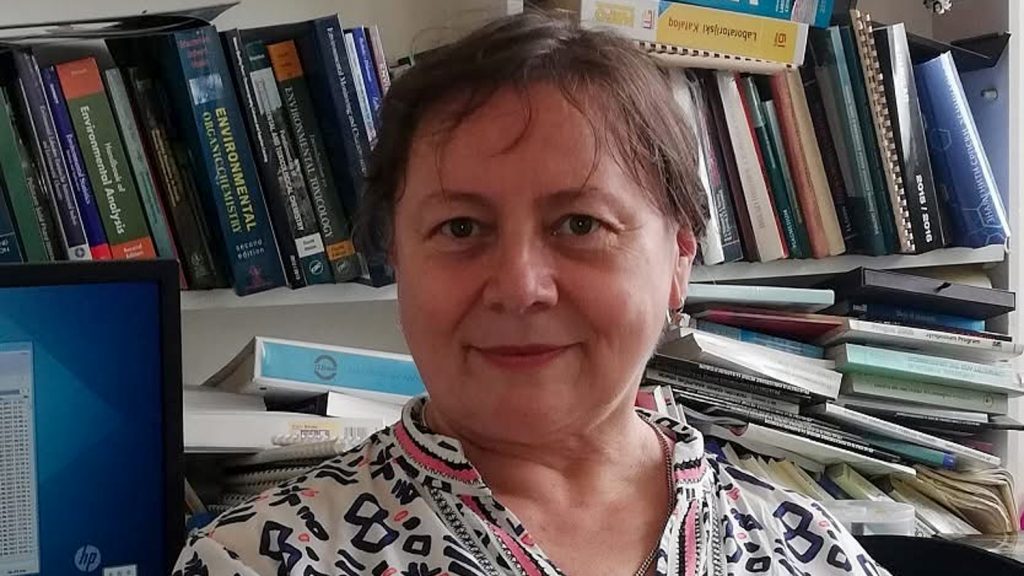
She emphasizes that the risk is inherent to the very nature of chromium ore, even in mines limited to extraction and crushing.
In particular, she warns that old tailings sites and abandoned waste dumps are often a greater source of pollution than active facilities, because they have been exposed for decades to rain, snow, wind, and other weather conditions.
She describes long-term exposure to hexavalent chromium as a health risk with often irreversible consequences, ranging from cancers of the lungs, sinuses, and gastrointestinal tract to damage to the liver, kidneys, and DNA, as well as thyroid disorders and impaired child development.
The Krivaja River as a Sensitive Ecosystem
Dalibor Ballian, professor at the Faculty of Forestry of the University of Sarajevo and a corresponding member of the Academy of Sciences and Arts of Bosnia and Herzegovina, warns that the construction of a chromium mine in the Krivaja River basin would have serious consequences for local ecosystems.
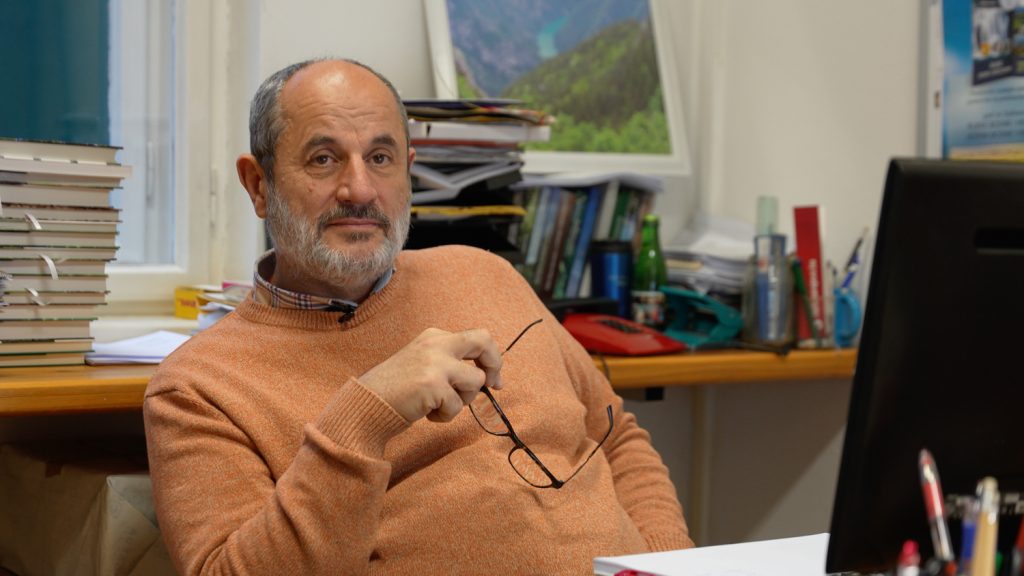
“With the construction of a new chromium mine, we would lose flora and fauna, as well as clean air and water. The state of the Krivaja River would be such that there would be neither fish nor crayfish in it, there would not even be bacteria. If this mine is built, it will be an ecological atomic bomb for the surrounding area and the Krivaja River, because everything within a radius of about 120 kilometres, including all major cities in Bosnia and Herzegovina, would be contaminated with hexavalent chromium, which is extremely toxic to human health,” Ballian emphasizes.
Professor Karamehić agrees with him:
“Contamination can spread across a wide area, especially when it concerns a large territory, from Vareš within a radius of 50, and probably up to 100 kilometres, where pollution could have serious and long-term consequences for human health and the environment.”
Similar warnings come from Muriz Spahić, one of the leading hydrologists in Bosnia and Herzegovina and a former professor at the Faculty of Science of the University of Sarajevo. He explains that hexavalent chromium can appear as a by-product of mining and spread rapidly through carbonate rock formations, reaching drinking water sources.
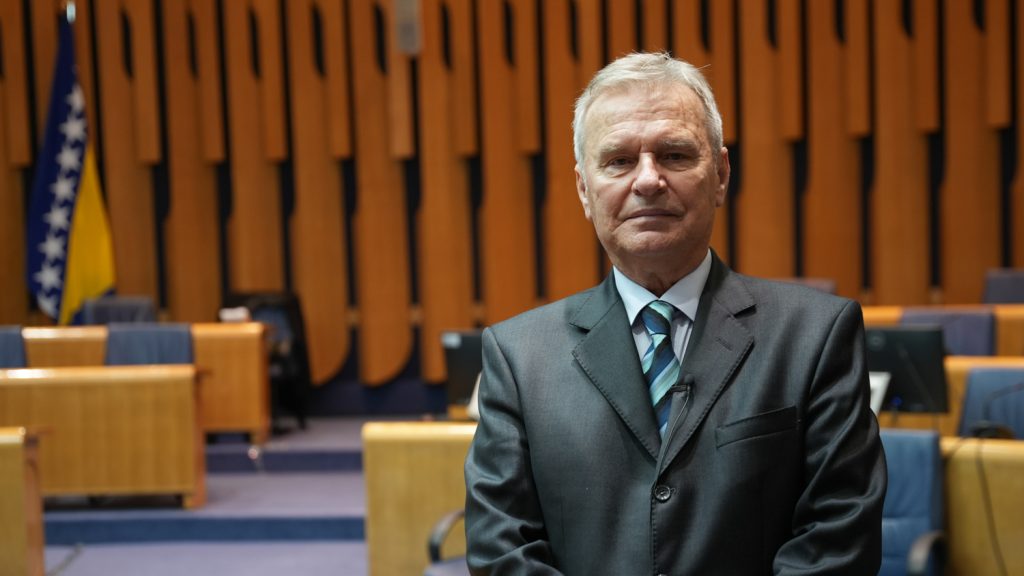
“The toxin accumulates in sediments, enters the food chain, and the damage can be long-lasting and difficult to reverse,” Spahić warns.
Environmental organizations therefore insist that the project should not be viewed merely as an investment, but as a public health issue affecting the entire Krivaja basin, from Vareš to downstream communities.
A Critical Mineral in a Critical Landscape
Chromium is a key raw material for stainless steel, renewable energy infrastructure, electric vehicles, and the military industry, which is why it has been included in the European Union’s list of critical raw materials.
In theory, a chromium mine in Bosnia and Herzegovina could fit into the EU’s development strategy. In practice, Ballian warns, the planned project is located in one of the country’s most ecologically valuable forest areas.
“These are not degraded lands, but highly productive forests. Once the mineral base is removed, their recovery takes generations,” Ballian emphasizes.
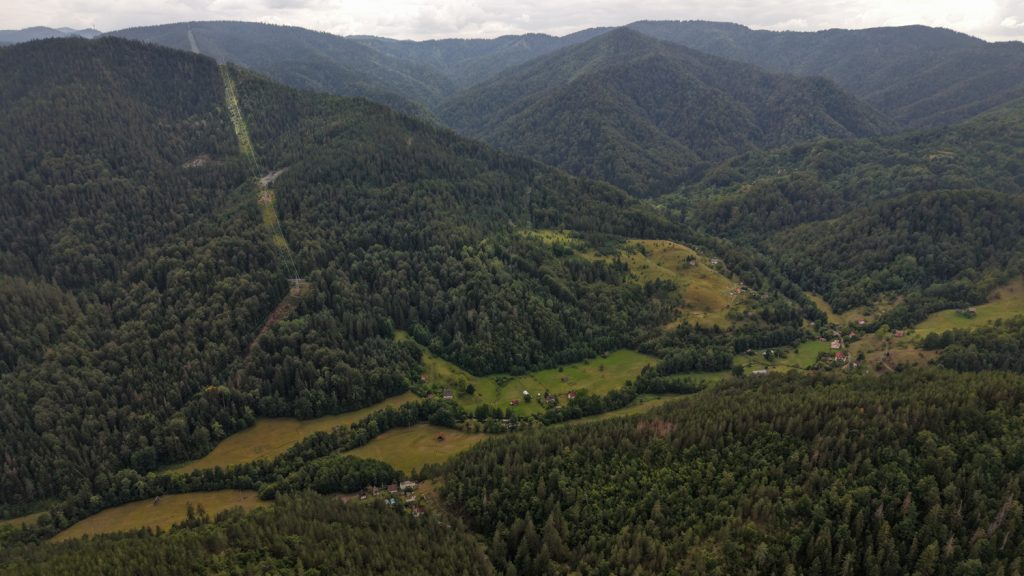
According to available data, the concession area covers approximately 3,200 hectares between the existing Rupice mine and the planned site in Duboštica.
In European practice, projects of this kind are accompanied by publicly accessible concessions, independent environmental and health monitoring, including measurements of hexavalent chromium,and financial guarantees for remediation.
The absence of these mechanisms in the early stages often later proves to be a structural weakness in natural resource governance.
A Concession Without Access, Questions Without Answers
While forest roads are being cut through the terrain and exploration works are underway on the ground, the concession contract for Duboštica-Tribija near the Bosnian town of Vareš remains unavailable to the public.
Civil society organizations and journalists have for months attempted to obtain the contract signed between Seven Plus (now Vareški minerali) and the Government of the Zenica-Doboj Canton. Institutional responses, ranging from outright refusals to references to “business secrets”, have prevented access to a document that, under the law, should be public.
As a result, 49 organizations and local communities from the Krivaja basin submitted an Open Letter to the cantonal government, demanding the termination of the concession. One of the signatories, Davor Šupuković from the eco association Fojničani, says that the key issue is the failure to meet contractual deadlines.
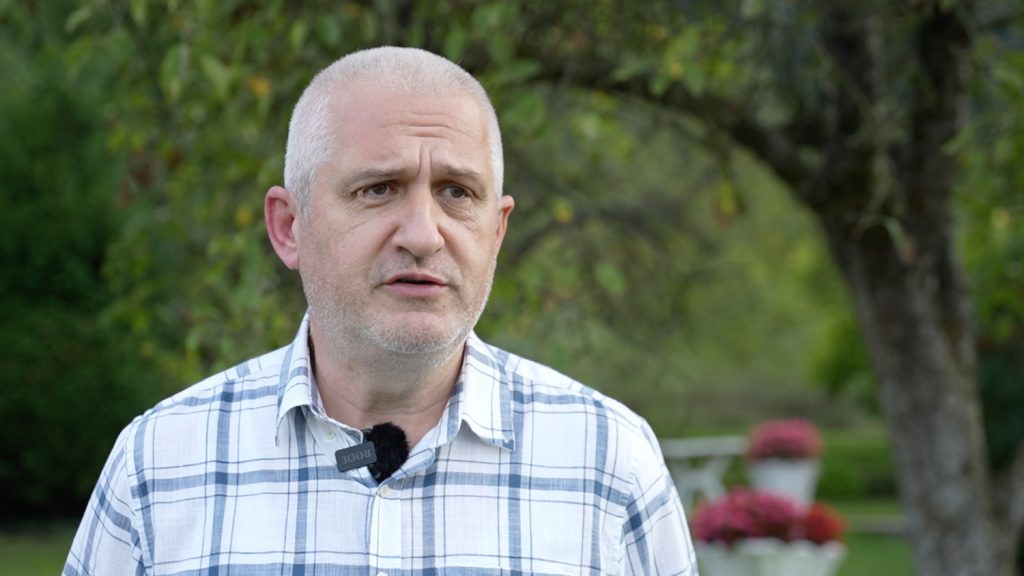
“The works did not begin within the agreed timeframe, yet were later presented as having started. This provides clear grounds for terminating the concession,” Šupuković says.
According to his statements, the public is only aware that the ongoing concession fee amounts to €0.76 per tonne of ore, and a one-time payment of €76.7 per hectare of land, while the full content of the contract remains undisclosed.
Under decisions of the Constitutional Court of Bosnia and Herzegovina and the High Representative, the disposal of state property, including forests, land, and natural resources,is restricted until a state law on state property is adopted, a regime that applies across the entire country. The Office of the High Representative (OHR) has a mandate to intervene precisely in situations where political agreement is lacking, making state property one of the most sensitive constitutional issues in BiH.
Despite this framework, works on state-owned forest land in Vareš began without the consent of the BiH State Attorney’s Office. On 20 August 2025, the Federal Forestry Inspectorate requested a legal opinion from the State Attorney’s Office regarding the legality of permits for logging and land-use conversion. By the time of publication, no response had been issued, while the investor continued its activities.
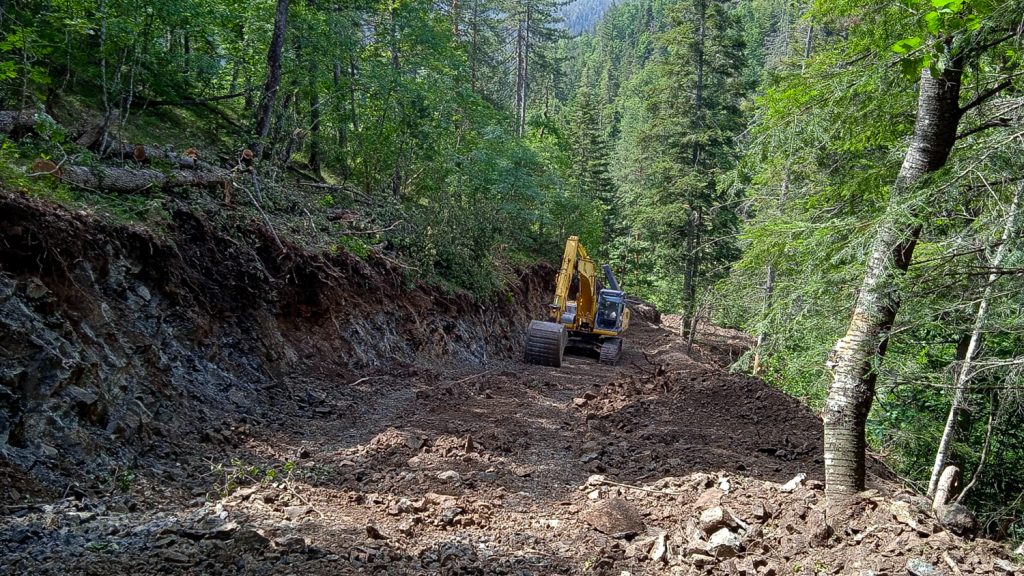
Some legal experts and civil society organizations link this situation to potential violations of Constitutional Court decisions and the mandate of the High Representative.
“Decisions were made without public hearings and without the participation of the local community, based solely on a decision of the Vareš Municipal Council. This raises serious questions about compliance with the existing legal framework,” Šupuković states.
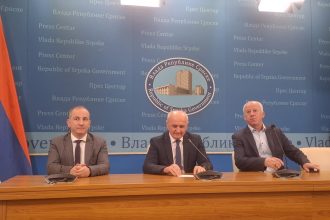
Inquiries sent by the editorial team to the Ministry of Economy of the Zenica-Doboj Canton resulted only in general responses, without clarification of key disputed issues. The Office of the Cantonal Prime Minister, as well as Vareški minerali, had not responded to our questions by the time of publication.
A Legal Vacuum as a Pattern
For Davor Šupuković, the Duboštica–Tribija case is not an isolated incident, but part of a broader pattern in which legal gaps and weak institutional oversight are used as a framework for launching investments in environmentally sensitive areas.
According to him, the valid spatial plan dating back to the former Yugoslavia designated this area,including the Krivaja River, for protection, while a new Spatial Plan of the Federation of BiH has never been adopted. This legal vacuum, he argues, allows for divergent interpretations and selective application of rules, especially when it comes to the most valuable natural resources.
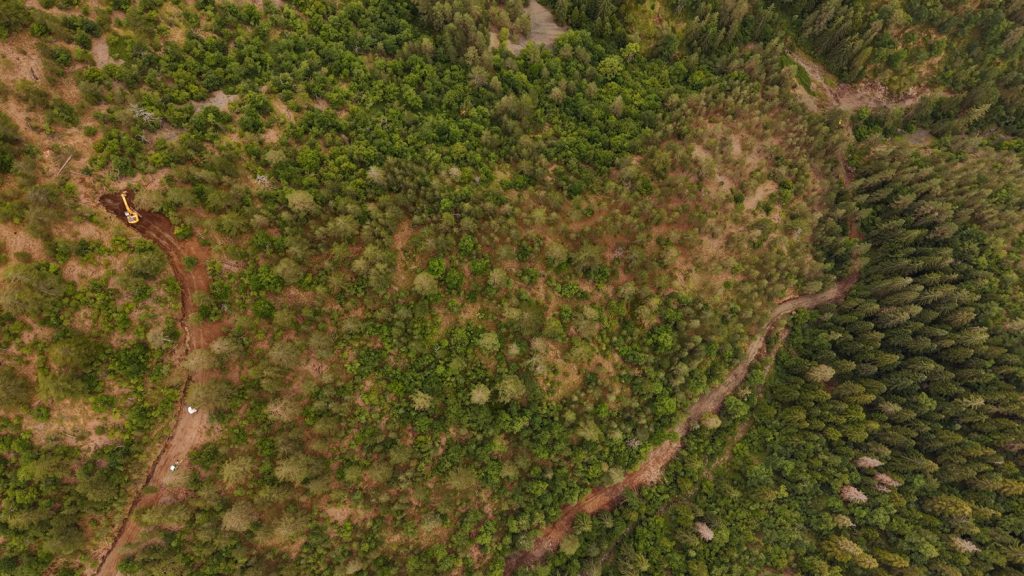
Šupuković recalls that similar investment attempts were recorded at other sites, such as Mount Ozren, where projects were halted following resistance from local communities. In this context, pressures on activists and residents in certain areas have already been documented through criminal complaints and official records, which is why some sources insisted on anonymity.
“Development itself is not being challenged; what is being insisted on are lawful, transparent, and institutionally controlled investments,” Šupuković concludes.
Expert Assessments and the Limits of “Green Mining”
While cantonal authorities present the project as a development opportunity, parts of the expert community warn that terms such as “modern” and “green mining” are often used without clear and verifiable mechanisms for environmental protection.
Professor Dalibor Ballian notes that Bosnia and Herzegovina already has around 100,000 hectares of land formally designated as reclaimed, which in practice bears the characteristics of industrially degraded terrain. In that context, an additional 3,200 hectares, stretching from Rupice to Duboštica, would be brought under a new concession.
“The restoration of forest and aquatic ecosystems after mining is measured in decades, and a full return to their original state is not realistic within existing institutional frameworks,” Ballian warns.
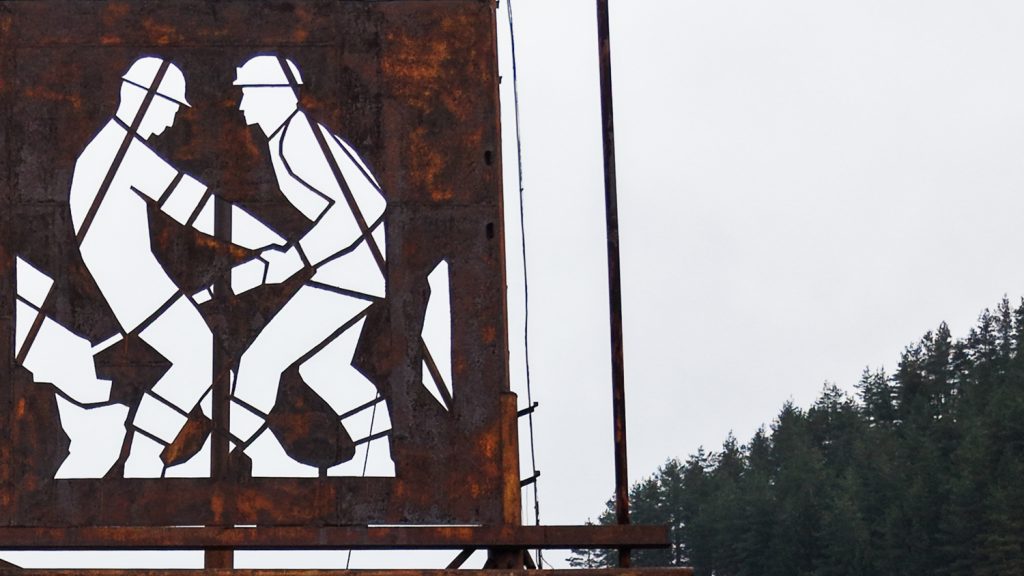
Similar reservations are expressed by mining professionals.
Aziz Kaknjašević, a mining engineer from Olovo, points out that the planned project entails multiple potential sources of pollution, alongside unresolved questions regarding legality and compliance with decisions of the Constitutional Court of Bosnia and Herzegovina.
According to experts, claims of “controlled” or “green” chromium mining in sensitive ecosystems are deeply problematic and, in practice, almost unattainable. As Dr Dragana Đorđević explains, such claims are based on attempts to technically reduce certain risks rather than eliminate them, particularly when it comes to hexavalent chromium.
Even in cases where only chromite is extracted as the primary chromium-bearing mineral, and where mining waste is formally disposed of in a “controlled” manner, the mere exposure of the mineral to air, water, and soil triggers natural chemical reactions that cannot be stopped. Mining waste, she emphasizes, remains in the environment for decades or even centuries, while so-called control measures are typically designed for only a few decades.
“Guaranteeing the chemical stability of millions of tons of tailings over such long periods, under the influence of precipitation, frost, changes in pH, and biological processes, is unrealistic”, Đorđević stresses.
Erosion and runoff control, she adds, is only feasible with continuous, active maintenance and oversight even after mine closure, raising a fundamental question of responsibility.
Who will finance and supervise such systems for the next 100 or 1,000 years? International experience, she notes, shows that so-called “passive maintenance” after investors leave often turns into abandonment, especially in the face of extreme weather events, large-scale floods, earthquakes, institutional collapse, or corporate bankruptcy.
“At that point, it becomes clear that ‘green mining’ exists mostly on paper,” she concludes.
Local Perspective: Experience and Distrust
Concerns that Bosnia and Herzegovina is increasingly being treated as a space for intensive resource extraction are widely shared among residents of Vareš.
Miroslav Pejčinović, president of the initiative committee of the association Opstanak, which emerged precisely out of fears related to chromium mining, says that opposition to the project stems from experiences with the existing Rupice mine.
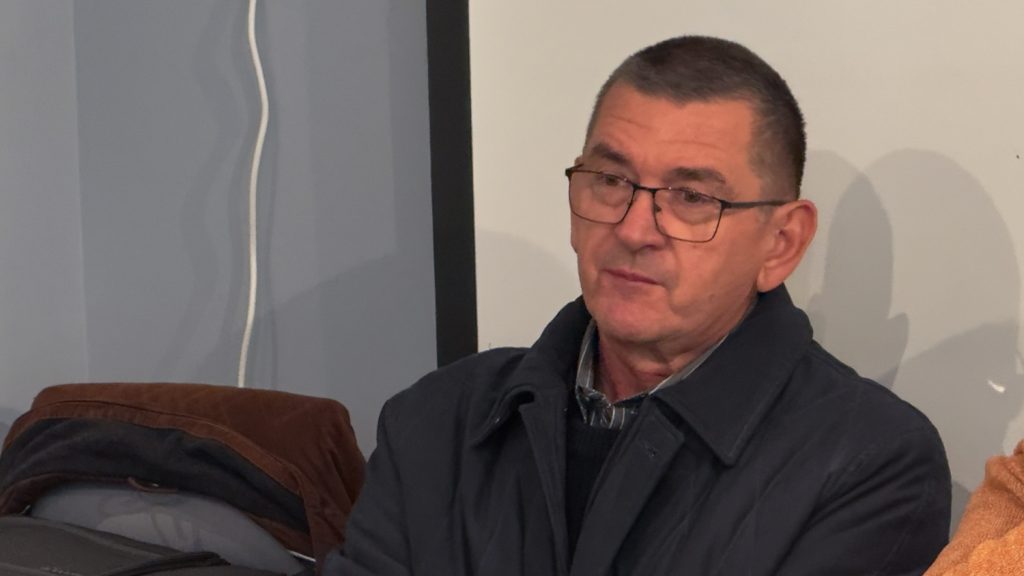
He also points to what he sees as a pattern aimed at securing social acceptance of the project, through donations to local sports and cultural organizations, while noting that the value of extracted resources is not returned to the community through concession fees.
“If this model continues, Bosnia and Herzegovina risks becoming a place where priority is given to exploitation rather than long-term development and the preservation of communities,” he says.
Chromium and the Military Industry: An Open Question
Beyond environmental and legal concerns, some signatories of the initiative also raise the question of the final use of the ore. According to available information, chromium from the planned mine could be used in the military industry, particularly for the production of specialized steels.
Data from the U.S. Geological Survey (USGS) confirm that chromium and ferrochromium are considered strategic materials due to their use in armored vehicles, military structures, jet engines, and gas turbines.
In this context, activist Davor Šupuković poses a question that goes beyond technical and economic considerations:
“Should Bosnia and Herzegovina, as a post-war society, participate in military production supply chains?”
Institutional Response: An Initiative in the Zenica-Doboj Cantonal Assembly
The initiative to terminate the concession agreement for the Duboštica-Tribija area, launched by local communities and civil society organizations from the Krivaja River basin, has recently gained an institutional follow-up in the Assembly of the Zenica-Doboj Canton.
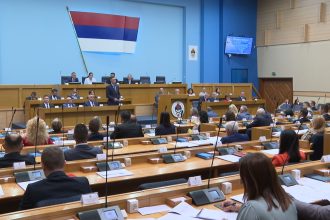
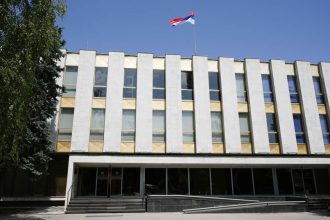
At the 46th session of the Cantonal Assembly, held on 27 November, Damir Memić, head of the SDP parliamentary caucus, formally submitted the initiative into parliamentary procedure, citing citizen demands and documented objections regarding the process of granting and implementing the concession.
This marked the first time that the planned chromium mine was formally addressed at the cantonal political level. The further course of events will depend on the stance of the parliamentary majority and the assessment of competent institutions regarding the legality of the existing contract.
What Albania Tells Us: Bulqiza as a Mirror of the Future
Several hundred kilometers to the southeast, in Bulqiza, Albania, chromium mining has been ongoing for decades and is often cited as an example of what happens when extraction expands faster than institutional oversight. Bulqiza is not a story of the past, but of accumulated consequences of long-term exploitation within a system characterized by dozens of operators and a complex mosaic of permits.
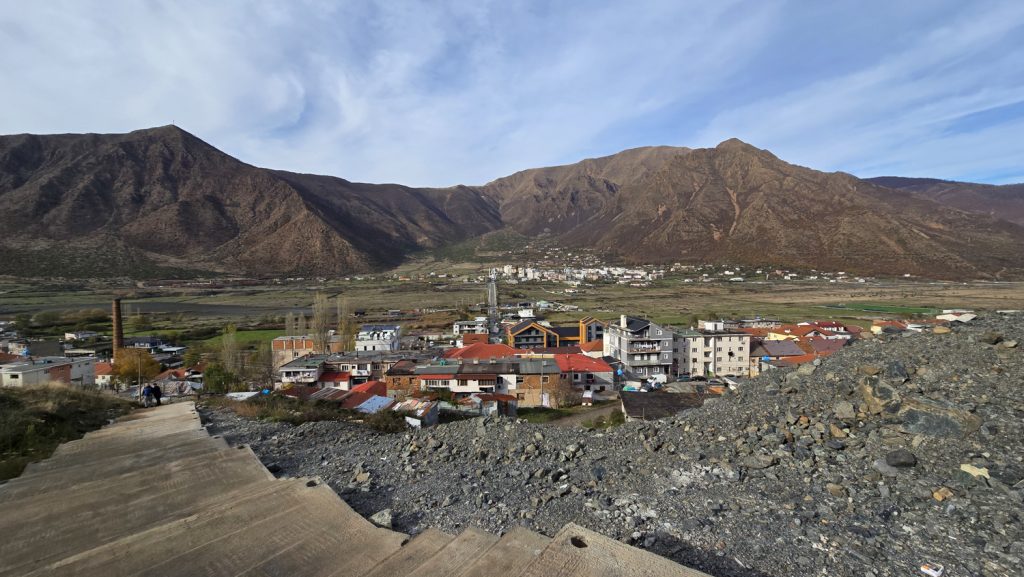
Upon arriving in the town, the most striking impression is not left by the mine shafts, but by the people’s faces.
“Did you see people’s faces when you drove into town?” miner Luli Alla asked our reporter as soon as they sat down.
“Wrinkled, tired, drained. Everyone here has at least one family member working in the mine.”
The miner describes a community in which “almost every family” has someone working in the mines, adding that, in his experience, many miners do not reach old age after years of hard labor.
In the Dibër region, beneath the town lies one of the largest chromium deposits in Europe, while on the surface a stark contrast is visible between mineral wealth and social conditions.
At the same time, institutional capacity for systematic monitoring of environmental and social impacts remains limited. The Municipality of Bulqiza confirms that it does not maintain an official registry of citizen complaints related to the mine’s impact on daily life.
Although Albania has opened negotiations under Cluster 4, including Chapter 27 of the EU acquiswhich requires greater transparency, stronger environmental oversight, and more effective inspectionsBulqiza demonstrates how complex this process is in environments where mining activities have long preceded control mechanisms.
Bulqiza: A City and a Mine as One System
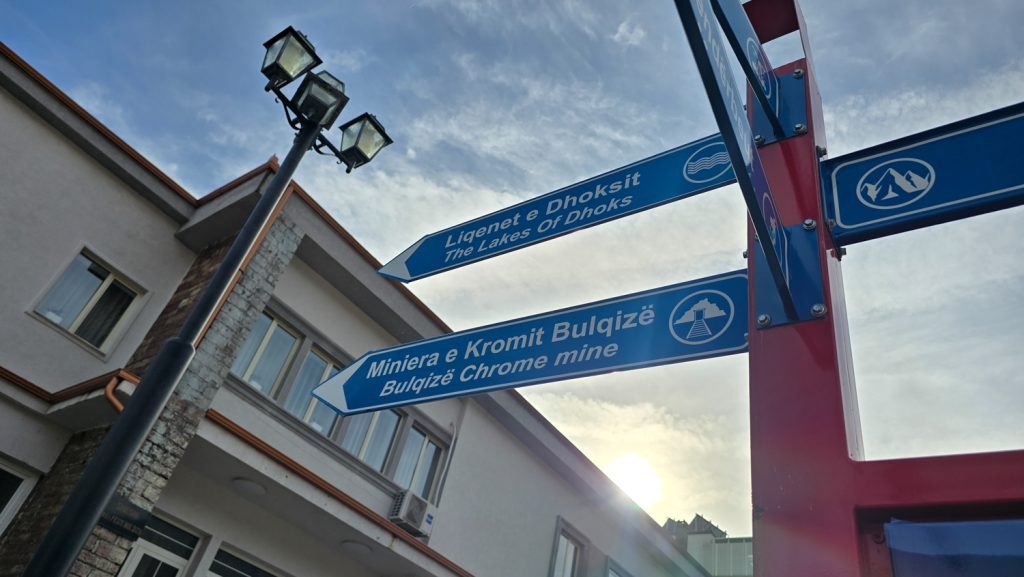
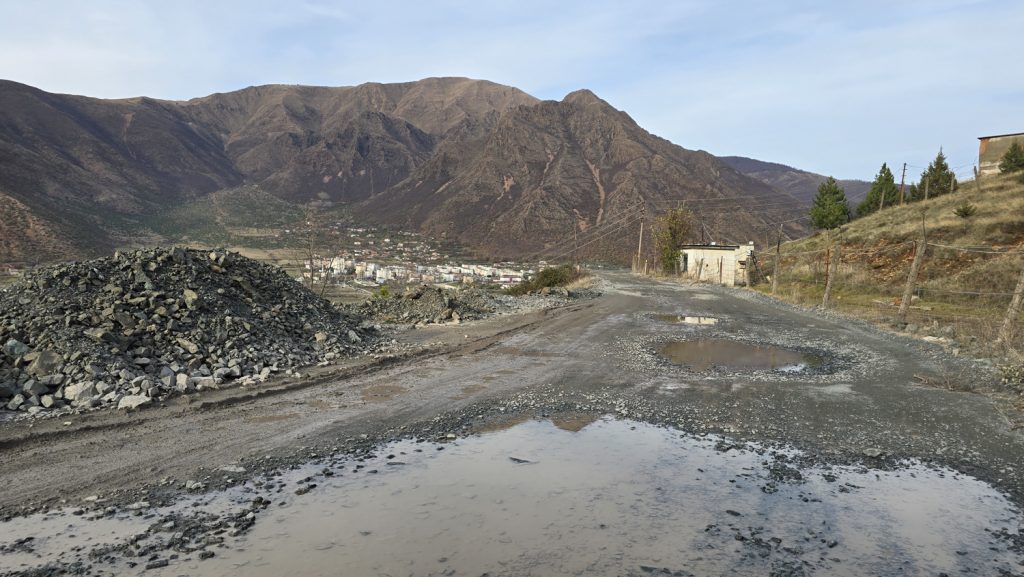
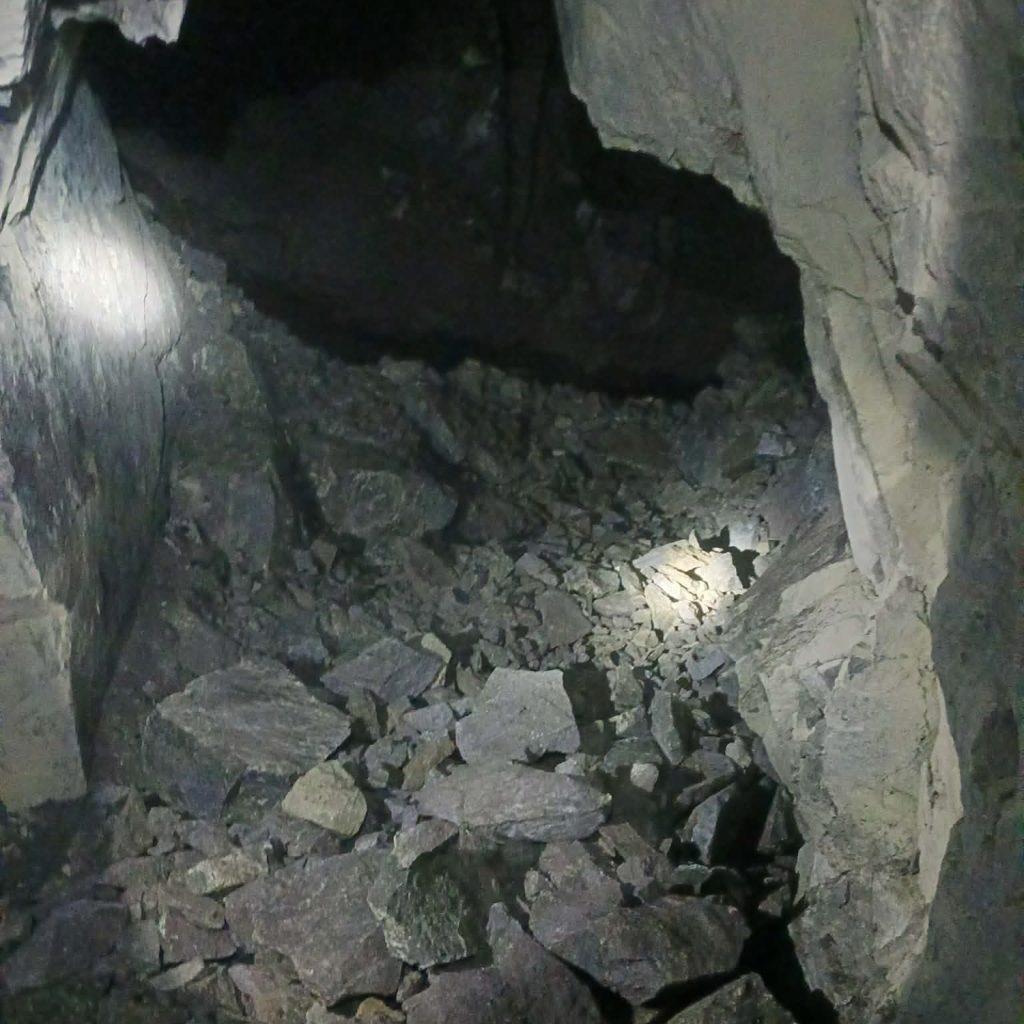
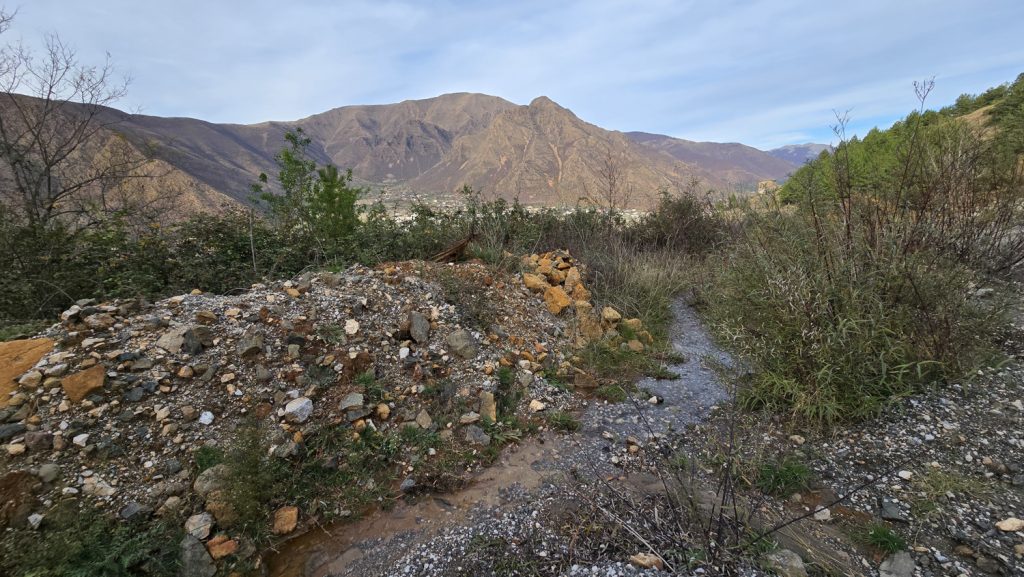
Bulqiza lies in a narrow valley of the Dibër mountain range, on terrain composed of ultrabasic serpentinite rocks. Mining galleries begin directly above the urban core, while slopes and spaces between neighborhoods are surrounded by tailings and sterile material accumulated over decades. The message of the landscape is clear: the mine is not next to the cityit is an integral part of it.
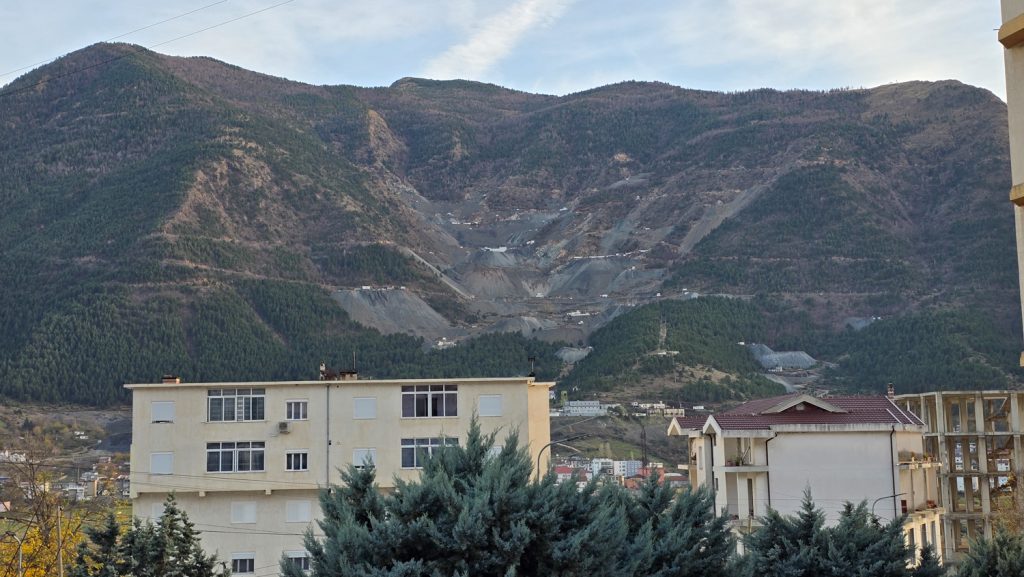
Chromium mining began in 1948. In 75 years, more than 15 million tonnes of chromite ore were extracted from the Bulqiza massif, making the area Albania’s main mining center for more than half a century.
After the 1990s, with the transition to a market economy, the mining massif was fragmented into dozens of parcels and a large number of licenses were issued. A mining expert and Bulqiza residentwho requested anonymity due to professional and institutional repercussionsdescribes this turning point as follows:
“After the 1990s, the mine was broken up and the technical chain collapsed. Old galleries are used without control, with shared entrances, and many companies fail to comply with basic protocols. This has increased risks for both workers and the environment.”
According to him, parts of the old galleries remain unmarked and structurally unsafe, while the Zone D water-collection line running from Gallery B down to Gallery A is in extremely poor condition, with deteriorated pipes left exposed along the entire route to the city’s reservoirs. He adds that polluted water from certain tunnels is discharged beneath the city without systematic measurement, monitoring, or remediation.
“We know that chromium is the backbone of Bulqiza’s economy, but life in the city has become increasingly difficult,” he adds.
127 Licenses on a One Single Massif
The National Agency of Natural Resources (AKBN) told Faktoje.al on 12 November 2025 that there are currently 116 active mining licenses in the Bulqiza massif. In 2018, this figure reached as high as 127.
An analysis of the issued licenses reveals a highly fragmented mining system. A large number of permits were granted between 1999 and 2008, during the early liberalization of the mining sector. Today, multiple operators work simultaneously within the same geological bodies and around shared mine shafts. Oversight is further complicated by the combination of licenses for ore extraction and permits for the disposal of sterile material, dispersing responsibility among different actors.
“When the mine was divided into small units, the technical chain collapsed. This increased risks for both workers and the environment,” says an experienced mining expert from Bulqiza, who requested anonymity due to professional and institutional pressure.
Institutional Blind Spots: Oversight Without Real Control
On paper, the regulatory framework appears comprehensive, but in practice oversight of mining is fragmented and poorly coordinated.
The National Agency of Natural Resources (AKBN) oversees the issuance of licenses, technical and economic plans, and financial guarantees for site remediation. However, according to its own statements, it does not monitor pollution or the management of mining waste, limiting its role to checking technical compliance with licenses.
At the same time, the National Environmental Agency (AKM) primarily supervises operators holding valid environmental permits, meaning that activities carried out without permits remain outside institutional oversight.
Labor and social protection inspections focus on workplace safety and labor rights, without a mandate to assess the overall environmental or public health impacts of mining. In such a system, where no single institution has oversight over the entire mining chain, responsibility is dispersed and effective control remains limited.
The core problem is systemic fragmentation of responsibility: there is no institution mandated to oversee the full mining cycle.
No Eyes on the Ground: Gaps in Environmental Monitoring
Data from the National Environmental Agency (AKM) show that there are no stations for monitoring air and water quality in Bulqiza. At the same time, according to AKM, only two administrative measures have been imposed on licensed operators over the past five year, sagainst the companies Albtani 08 Konstruksion and Global Enterprise Groupfor violations of permit conditions, failure to submit documentation and for mining waste.
By contrast, a local expert who requested anonymity claims that environmental permit conditions are frequently violated, and that around 80 % of inspected companies have been found in breach of regulations or without a license when monitored by the Ministry of the Environment, and they are still wokring.
During the last quarter of 2024, 26 administrative measures were imposed by AKM on companies operating in Bulqiza for non-compliance with environmental regulations. This sharp increase points both to the scale of the problem and to the predominantly reactive nature of existing oversight.
Local Authorities: A Limited Role
The Municipality of Bulqiza states that no local public hearings have been organized by them with the citizens regarding mining in the area. The municipality claims that mining activities “mostly take place in remote mountainous areas,” which, according to them, explains the absence of recorded complaints at the local level. The municipality has no authority over environmental permits, which fall under the jurisdiction of the Ministry of Tourism and Environment.
The Municipality of Bulqiza also states that it has no data on drinking-water pollution or soil contamination resulting from mining activity. It further confirms that there are no emergency response plans, population relocation strategies, or long-term development visions exist for the period following the depletion of chromium reserves.
The National Inspectorate for Territorial Protection (IKMT) notes that its Directorate for Environmental and Water Inspection was established only at the end of 2020, meaning that earlier institutional oversight was extremely limited.
Since the Directorate’s establishment, IKMT has carried out 12 inspections in the Bulqiza mining zone, resulting in administrative measures against eight companiesfor violations such as illegal disposal of inert waste and other breaches of environmental regulations. At the same time, the Inspectorate confirms that no mining operation has ever been suspended due to environmental pollution or safety risks.
A Decade of Accidents and Weak Protection of Workers’ Rights
The most detailed institutional insight into safety conditions in Bulqiza’s mining sector comes from data provided by the Labour and Social Services Inspectorate. According to official statistics, 804 inspections were carried out in the mining and quarrying sector in the Dibër district between January 2016 and September 2025.
Most inspections (73%) were planned, while 26% were conducted following workplace accidents, and only 2% were initiated based on reports filed by workers themselves. During the same period, 194 workplace accidents were recorded, 31 of them fatal.
The Inspectorate reports that administrative measures were imposed in 85% of cases following accidentsranging from warnings and temporary work stoppages to financial penalties. In total, 596 sanctions were issued, the majority of which were warnings (63%), while work suspensions due to safety violations and serious breaches of labour rights accounted for roughly one third of all measures. The total value of fines amounted to 7,73 million lek (approximately €73,000).
The most common violations included the absence or outdated risk assessments, non-functional occupational safety mechanisms, lack of medical services, and inadequate use of protective equipment. Taken together, the data point to a system that responds after accidents occur, even though mining in Bulqiza is formally classified as a high-risk sector.
Limited Public Health Oversight
Albania’s Institute of Public Health (ISHP) confirms that no testing of drinking water for hexavalent chromium has been conducted in Bulqiza for at least ten years. Instead, analyses have been limited to total chromium, in line with national standards. According to ISHP, all tested samples fell within permitted limits under those criteria.
ISHP also states that it does not conduct systematic medical examinations of miners, nor does it implement occupational health or rehabilitation programs. Epidemiological monitoring is limited to general registries of non-communicable diseases. The available data indicate that cardiovascular diseases and cancers are most prevalent in Bulqiza, followed by injuries and respiratory illnesses.
The Ministry of Health confirmed that it does not possess data on occupational diseases among miners, stating that this responsibility falls under the jurisdiction of the Labour Inspectorate.
Oversight Absent Where It Is Most Needed
The Ministry of Infrastructure and Energy, responsible for licenses, technical inspections, subcontractors, mine closure plans, and assessments of chromium reserves, failed to respond to freedom of information requests submitted by the Faktoje portal on 29 October 2025.
As a result, data on concession holders, operators without environmental permits, informal subcontractors, remediation plans, technical inspections conducted over the past five years, and oversight of contractual obligations remain unavailable. Viewed as a whole, the system in Bulqiza reflects structural fragmentation, in which no single institution oversees the full extraction cycle.
Albanian environmental expert Danjel Bica warns that although companies are legally required to pay environmental fees and provide financial guarantees, not a single gallery or degraded area in Bulqiza has been fully rehabilitated after decades of mining. He identifies company self-reporting, rare inspections, and the absence of independent verification as key weaknesses.
Although chromium in Bulqiza is predominantly present in its trivalent form, no institution has assessed the possibility of its oxidation into hexavalent chromium in mine watersa fact also confirmed by ISHP data.
“Without targeted analysis of hexavalent chromium, it is impossible to assess the real impact of mining on water quality,” Bica warns.
Tailings as a Permanent Risk
A particularly serious issue is the uncontrolled disposal of mining tailings, which have accumulated for decades near mine shafts, on steep slopes, and close to residential areas. Such practices significantly increase the risks of erosion, landslides, and water contamination.
Field documentation collected by the Faktoje portal shows massive piles of tailings altering natural surfaces.
The National Agency of Natural Resources (AKBN) confirms that companies are responsible for monitoring their own waste, with the system relying heavily on self-reporting.
Overlapping mandates further weaken oversight: AKBN does not assess pollution, AKM supervises only permitted operators, the municipality keeps no record of complaints, and IKMT confirms that it has never suspended mining operations due to environmental damage.
Local journalist Sami Curri, who has covered Bulqiza for more than a decade, describes a city shaped by economic dependence, fear, and institutional invisibility.
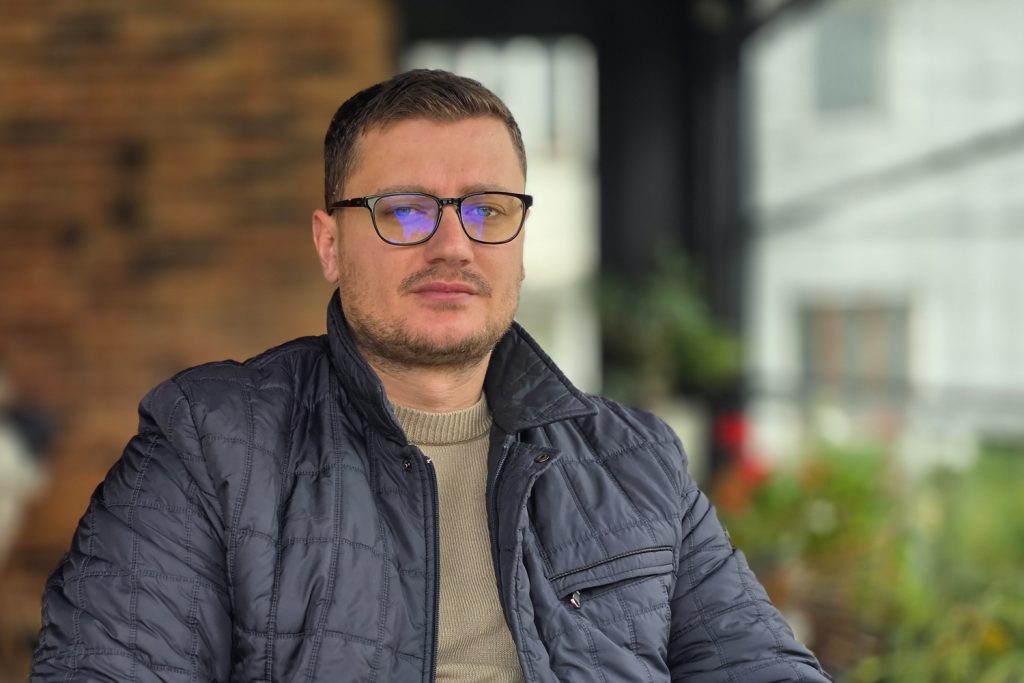
According to him, space for public dissent is extremely limited, and workplace accidents are rarely fully investigated. On average, two to three miners die each year, while responsibility is often shifted onto the workers themselves.
Although health institutions are required to report serious injuries, miners rarely speak publicly for fear of losing their jobs or being stigmatized. Curri notes that air pollution and land degradation are visible, but that no institution has ever issued a formal warning regarding heavy metals in drinking water.
Asked whether Bulqiza derives any real benefit from mining, his answer is brief: “No.”
According According to Curri, an annual mining royalty of 150-200 thousand Euro is not enough to pave even 2 km of road.
Why People Remain Silent
Our sources say that fear is a defining feature of public life in Bulqiza. Longtime miner Luli Alla explains that people rarely speak out because a large number of families depend directly on the mine.
“This is a small town. People remember who said what.”
The families of miners who were victims of fatal accidents also maintain their silence. One widow of a miner declined to speak to us, saying that previous media attention had not led to change, but only reopened personal trauma.
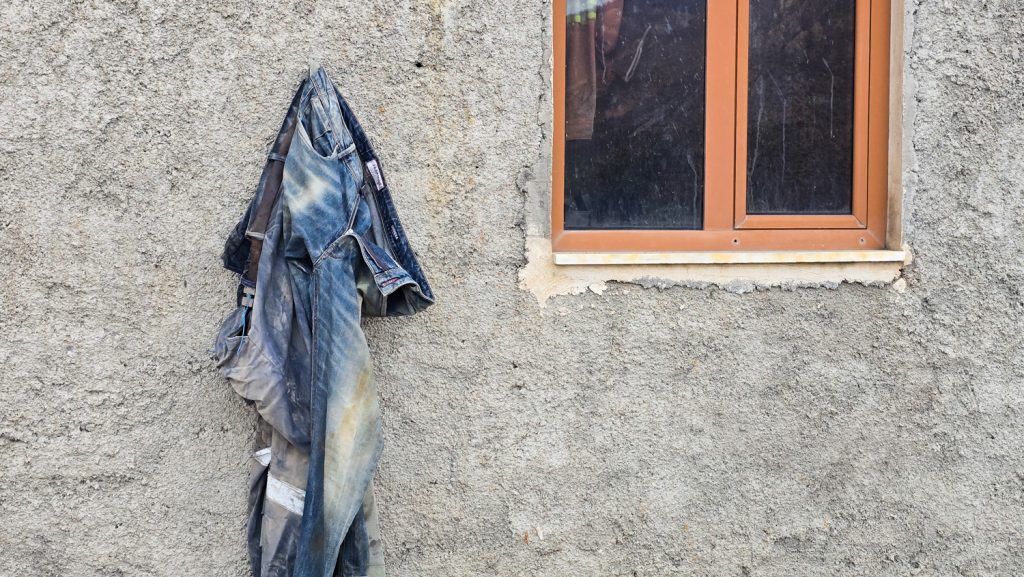
These testimonies point to a community in which the consequences of mining are borne privately, while institutional responses remain limited.
Miners Without Legal Status
For more than a decade, the Together Movement (LB), has advocated for the adoption of a special legal status for miners in Albania, aimed at providing statutory and social protection for workers in one of the country’s most hazardous sectors.
“Mining is the most dangerous profession in Albania, and it is unacceptable for it to function without specific legal guarantees,” says the activist of the LB, Emiljando Kita.
The situation is compounded by weak union representation. As Xhuljano Bregasi the activist of the LB, points out, the 2019 founding of the United Miners’ Union of Bulqizë (SMBB) was met with repression. Several union leaders, including its president, were fired by AlbChrome shortly after the union’s establishment.
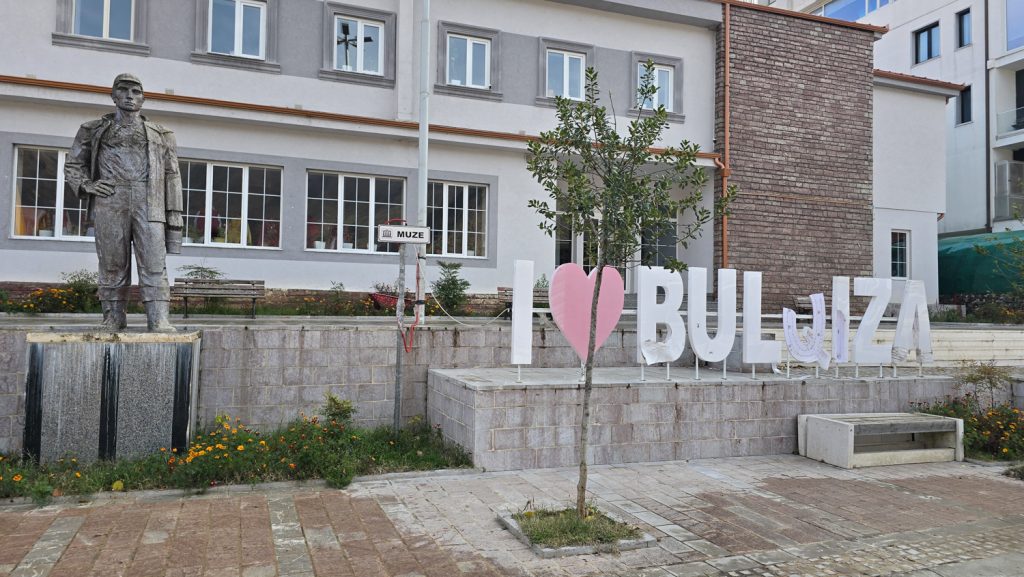
In 2020, the Together Movement and The United Miners’ Union of Bulqizë submitted a petition with more than 11 thousand signatures to parliament, calling for early retirement, healthcare coverage, and compensation for occupational diseases. The institutions never issued a formal response, and activists describe years of responsibility being passed between ministries.
According to Kita, the key reason for the lack of reform is the political and fiscal cost, as such legislation would increase obligations for both the state and the large private companies dominating the sector.
Large Revenues, But for Whom?
AlbChrome, the largest operator in the chromium mining sector in Bulqizë, was acquired in January 2022 by Turkey’s Yıldırım Group through its mining subsidiary Yılmaden Holding, after previously being owned by Albania’s BALFIN Group.
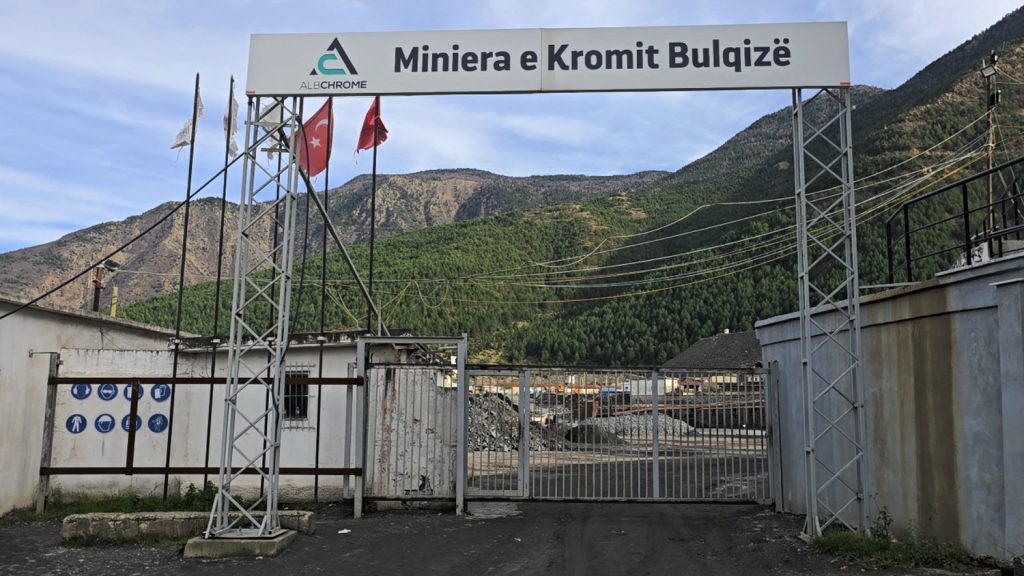
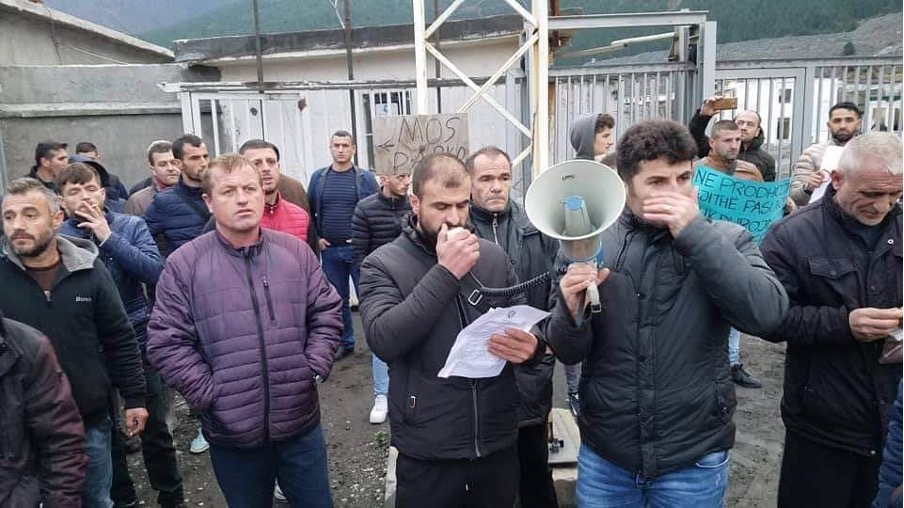
The takeover linked Bulqizë more directly to Yılmaden’s broader international supply chain; however, labour tensions have continued, In 2025, miners protested over wages, including demands for a 10% increase that they said had not been delivered.
According to Albania’s Ministry of Finance, the mining royalty transferred to the Municipality of Bulqiza totalled 213 million lek (€2,13 million) from 2015 to September 2025. Since Law No. 9975 “On National Taxes” allocates only 5% of mining-royalty revenue to the local government where extraction occurs, this implies that the central state collected has been roughly 4.26 billion lek (€42,6 million) from the same royalty stream over that period.
The Ministry does not have data on environmental remediation, the use of financial guarantees, or local reinvestment of revenues. Local journalist Sami Curri notes that the amounts received by the municipality are insufficient for any meaningful infrastructure investment.
Albania is formally obliged to align its legislation with EU environmental directives, including Environmental Impact Assessment (EIA) rules, the Mining Waste Directive, and the Water Framework Directive. The European Commission has repeatedly called for stronger inspections and oversight.
However, the Bulqiza case reveals a persistent gap between regulation and practice: the absence of health and environmental monitoring, fragmented permits, unsafe working conditions, and limited institutional accountability.
A Double Paradox: Green Transition and Environmental Pressure in the Western Balkans
Experiences from Bosnia and Herzegovina and Albania highlight the complex relationship between Europe’s environmental ambitions and the realities of mineral extraction. Chromium is a key raw material for modern technologies, including renewable energy systems and electric vehicles, yet examples such as Bulqiza show that its exploitation can have serious consequences for water resources, forest ecosystems, and air quality, especially in the absence of systematic studies and continuous monitoring.
In strategic documents, the European Union emphasizes sustainable supply chains and the integration of the region into the green transition. In practice, however, the application of these principles on the ground remains uncertainparticularly in environments with weaker institutions and limited mechanisms of public oversight.
In this context, Bosnia and Herzegovina stands at a crossroads. Unlike Albania, which has faced the consequences of intensive chromium mining for decades, BiH is only entering this phase. This creates an opportunity to establish clear standards and proceduresor, if oversight fails, to repeat patterns already seen elsewhere in the region.
The green transition is therefore not only a technical issue, but also a democratic one: how much local communities are involved in decision-making, whether concession contracts are public, and who defines the public interest.
In the case of Vareš, the available data do not indicate a strong institutional response. Local authorities support the project, but at the same time withhold key information from the local population, which may in the future have to live next to the mine. Moreover, the local community has had almost no, or very limited, financial benefit from the sale of the Rupice mine.
At the cantonal level, institutions have for a prolonged period invoked business secrecy to deny the public in Bosnia and Herzegovina access to the concession contract, while the responses of state-level institutions, including the BiH Attorney’s Office and the Constitutional Court of Bosnia and Herzegovina, came late or, in some cases, were entirely absent.
For these reasons, civil society organizations and local communities insist that chromium mining must be treated as a systemic issue, not a local oneone with implications at the cantonal, entity, and state levels.
Before the Consequences Become Irreversible…
For part of the local community and civil society organizations in Vareš, the demand is clear: termination of the concession, suspension of all activities by the company “Vareški minerali”, and a reconsideration of development models that entail long-term environmental and public health risks.
For the investor, such an outcome would mean loss of invested capital and reputational damage. For the cantonal authorities, it would imply acknowledging that the concession process was conducted with serious procedural and legal shortcomings, including missed deadlines and the disregard of decisions by the Constitutional Court of Bosnia and Herzegovina.
For the residents of the Krivaja River valley, the dilemma is far less abstract. It comes down to the quality of water, land, and life in the decades ahead: whether the river will remain part of everyday use or become an industrial receptacle; whether forest ecosystems will remain intact or be permanently altered.
In this sense, the initiative launched by 49 organizations and local communities goes beyond a single project. It raises a broader question of institutional accountability and the state’s capacity to manage natural resources in the public interest.
The experience of Bulqiza shows what happens when extraction outpaces oversight.
Whether Vareš will follow the same pathor whether the outcome will be differentremains a decision being made now, one whose consequences will last far longer than a single concession agreement.
Authors: Jona Cenameri and Dejan Rakita
December 2025